
Workplace Harassment Prevention Training
Harassment training requirements vary by state. Managing them does not have to.
Find workplace harassment prevention training for employees and managers based on where they work, with jurisdiction specific courses designed to help simplify training across your workforce.
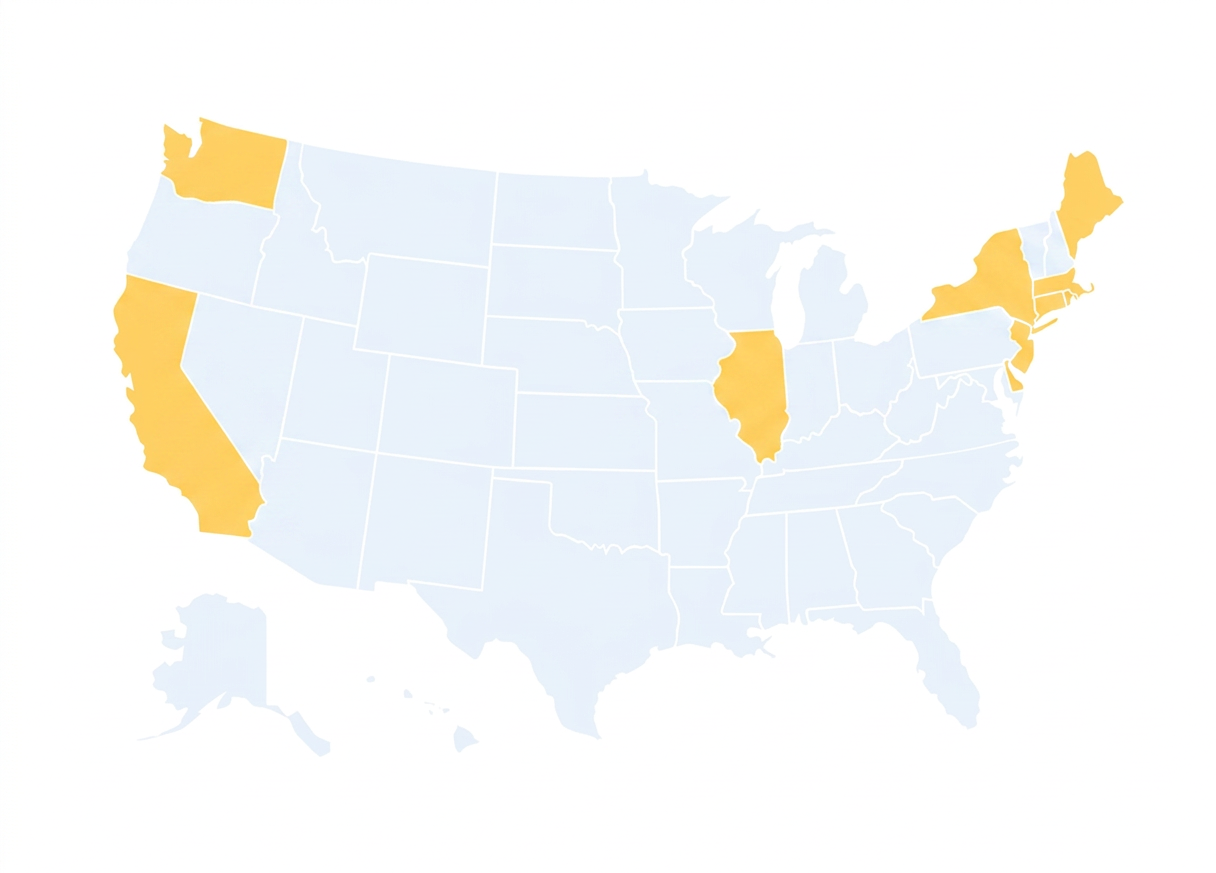
Requirements vary by location. Additional requirements may apply based on employer size, industry or employee role.
STATE REQUIREMENTS
Which states require sexual harassment prevention training?
California, Connecticut, Delaware, Illinois, Maine and New York have statewide sexual harassment prevention training requirements for covered employers. Chicago and New York City have additional local requirements. Washington also has training requirements that apply to certain covered industries and workers.
FIND YOUR TRAINING
Select the location where your employees work.
Review the key requirement and visit the detailed jurisdiction page for training options, course durations and additional information.
California
California requires covered employers to provide sexual harassment prevention training to employees and supervisors.
Employees: At least 1 hour
Supervisors: At least 2 hours
Frequency: Every 2 years
Ethiciti: 60 minute employee course and 120 minute manager course.
View California Requirements →Connecticut
Connecticut requires sexual harassment prevention training for covered employees and supervisors.
Coverage: Requirements vary based on workforce size
New employees: Generally within 6 months
Ethiciti: 120 minute employee and manager courses.
View Connecticut Requirements →Delaware
Covered Delaware employers must provide interactive sexual harassment prevention training.
Frequency: Every 2 years
Supervisors: Additional content required
Ethiciti: 30 minute employee and manager courses.
View Delaware Requirements →Illinois
Illinois employers must provide sexual harassment prevention training every calendar year.
Frequency: Annually
Restaurants and bars: Additional requirements may apply
Ethiciti: 30 minute employee and manager courses.
Chicago has additional sexual harassment prevention and bystander intervention training requirements.
View Chicago Requirements →
Maine
Covered Maine employers must provide sexual harassment prevention education and training to new employees.
New employees: Within 1 year
Managers: Additional supervisory content
Ethiciti: 30 minute employee and manager courses.
View Maine Requirements →New York State
New York employers must provide employees with interactive sexual harassment prevention training.
Frequency: At least annually
Ethiciti: 30 minute employee and manager courses.
New York City has additional local sexual harassment prevention training requirements.
View New York City Requirements →
Washington
Washington has harassment prevention training requirements for certain covered industries and workers.
Requirement: Not a universal statewide mandate
Ethiciti: Washington specific training is available for applicable workforces.
View Washington Requirements →ALL OTHER U.S. LOCATIONS
No broad state mandate? Harassment prevention still matters.
Ethiciti provides nationwide workplace harassment prevention training for employees and managers, including organizations with employees in states without specific training mandates.
MULTI STATE EMPLOYERS
Different requirements. One easier way to manage training.
Ethiciti helps compliance teams deliver the right workplace harassment prevention training based on employee location and role while managing the program across a distributed workforce.
BEYOND THE REQUIREMENT
Training designed for the situations employees actually face.
Meeting the requirement matters. Helping employees recognize, respond to and report inappropriate workplace behavior matters too.
Recognize
Help employees understand harassment, inappropriate conduct and professional boundaries through realistic workplace situations.
Respond
Give employees and managers opportunities to practice making decisions when the right next step may not always feel obvious.
Speak Up
Reinforce reporting options, retaliation protections and when employees or managers should raise or escalate concerns.
COMMON QUESTIONS
Workplace Harassment Training Requirements FAQs
Which states require sexual harassment prevention training?
California, Connecticut, Delaware, Illinois, Maine and New York have statewide training requirements for covered employers. Additional local or industry requirements may also apply.
Do harassment training requirements differ for managers?
They can. California, for example, requires supervisors to receive longer training than nonsupervisory employees. Other jurisdictions may require additional supervisory content.
What if our employees work in multiple states?
Employers should evaluate requirements based on each employee’s work location and other applicable factors. Ethiciti provides jurisdiction specific courses within one workplace harassment prevention program to help simplify administration.
Is harassment prevention training useful if our state does not require it?
Yes. Many organizations provide harassment prevention training even where there is no broad state training mandate. Training can reinforce workplace expectations, reporting options and appropriate responses to inappropriate behavior.
Can Ethiciti training work with our existing LMS?
Yes. Ethiciti workplace harassment prevention courses can be delivered through your existing LMS or through Ethiciti’s compliance learning platform.
WORKPLACE HARASSMENT PREVENTION
Simplify harassment prevention training across your workforce.
See how Ethiciti can help you deliver the appropriate training based on employee location and role without managing disconnected programs for every jurisdiction.
Request a Demo
See the learning experience and discuss the right training approach for your workforce.
The information provided on this page is for general informational purposes only and does not constitute legal advice. Laws and regulations may change, and requirements may vary based on employer size, industry, employee classification, location and other circumstances. Organizations should review current government guidance or consult qualified legal counsel when determining their obligations.